AUDIO BASICS

What is voice changer app and how does it work?

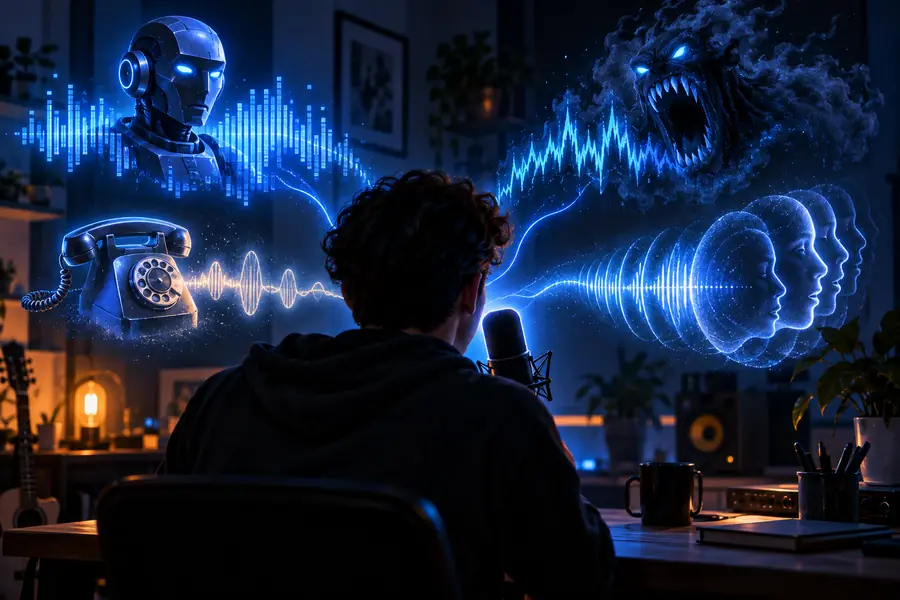
What is voice changer app technology? It is software that alters the sound of a recorded or live voice by adjusting characteristics such as pitch, tone, timing, or effects. The result can sound subtly different or deliberately stylized, depending on the settings and source recording.

IN THIS GUIDE

A practical definition of a voice changer app

These related pages explain where voice changing happens, what it sounds like, and how people approach common use cases.

REALISTIC LIMITS

What a voice changer can and cannot do

A voice changer is an audio tool, not a guarantee of realism, privacy, or perfect speech conversion. Knowing the limits helps you choose settings responsibly.

It cannot make every voice sound natural

Strong pitch shifts, extreme effects, poor microphones, and noisy rooms can produce robotic, thin, or distorted audio.

Workaround

Use a clean recording, make smaller changes, and listen back before sharing the result.
It cannot guarantee anonymity

A changed voice may still reveal timing, word choice, background sounds, or other clues about the speaker.

Workaround

Remove identifying details and treat voice effects as one privacy layer, not complete protection.

It cannot fix unclear speech automatically

If the original recording is muffled, clipped, or difficult to understand, adding an effect may make it harder to follow.

Workaround

Improve the source recording first, then apply the voice changer to the cleaner signal.

It cannot replace consent

Changing audio does not make it appropriate to impersonate someone, mislead an audience, or use another person's recording without permission.

Workaround

Use your own voice or authorized material and label creative transformations when context requires it.

THE PROCESS

How a voice changer works

Most voice changer systems follow the same basic path: capture speech, transform selected sound properties, then return an altered signal for playback or export.

  1. 1

    Capture the source voice

    The app receives speech from a microphone or an existing audio file. The quality of this input strongly affects the final result.

  2. 2

    Analyze and transform sound

    It processes features such as pitch, tone, timing, resonance, or added effects. Some tools work live while others process a recording after capture.

  3. 3

    Preview and refine the result

    You listen to the changed voice, adjust the effect, and keep the version that matches your purpose. A small change often sounds more believable than an extreme one.

SOUND EXAMPLE

How the same voice can change in practice

The source recording remains the starting point; the voice changer reshapes its audible qualities rather than changing the speaker's words.

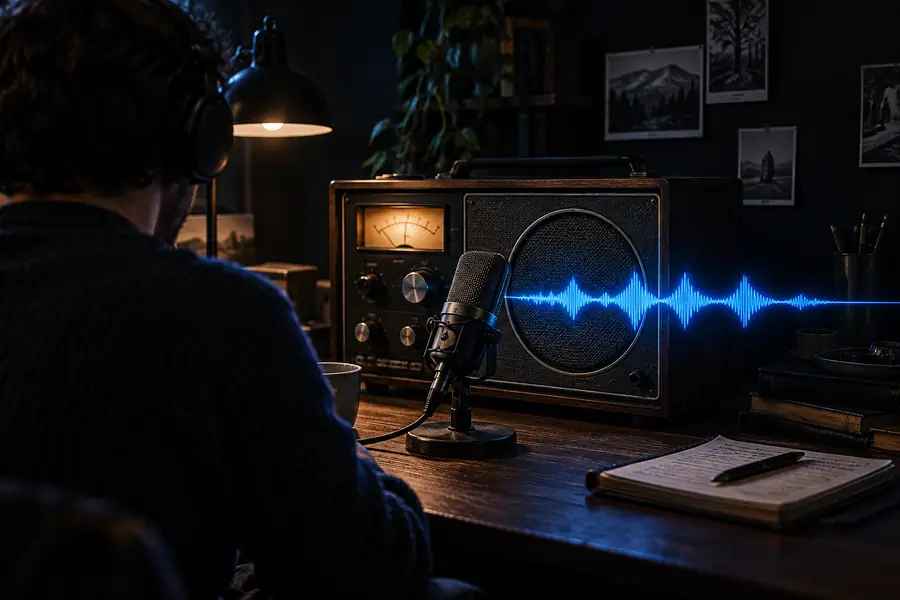
A radio-style illustration representing an unedited voice recording Unedited voice
A stylized monster illustration representing an altered voice effect Effect applied
The strongest results preserve clear words while changing the vocal character.

SIDE BY SIDE

Voice changer app compared with an unedited recording

This comparison shows what the processing changes and what remains dependent on the original speaker, microphone, and recording conditions.

Unedited recording
Changed recording

Words and message

Unedited recording

Provided by the speaker

Changed recording

Usually remains the same

Pitch

Unedited recording

Natural pitch range

Changed recording

May be raised or lowered

Tone and character

Unedited recording

Original vocal color

Changed recording

Can become brighter, darker, rougher, or more stylized

Timing

Unedited recording

Natural speech rhythm

Changed recording

May be preserved or altered by an effect

Background noise

Unedited recording

Present in the source

Changed recording

May remain unless separately reduced

Speaker identity

Unedited recording

Audible traits are exposed

Changed recording

Some traits may be masked, but not guaranteed hidden

Best use

Unedited recording

Clear communication and reference

Changed recording

Creative performance, demonstrations, or sound design

COMMON USERS

Who uses a voice changer app

Different people use a voice changer for different reasons. The right setting depends on whether the goal is performance, communication, experimentation, or audio production.

Streamers and gamers

They want a character voice or a playful change while speaking during a live session.

A restrained effect can add personality without making words difficult to understand.

voice changer for discord

Audio creators

They are testing narration ideas, sketches, radio-style scenes, or fictional characters.

Multiple vocal textures can be auditioned before a final recording is selected.

voice changer online

Performers and storytellers

They need a distinct voice for a creature, robot, villain, or other invented role.

Pitch and effects can help separate characters while preserving the actor's delivery.

deep voice changer online

Curious beginners

They want to understand how audio transformation sounds without starting with complex production software.

A simple app provides an approachable way to compare an original clip with an edited version.

voice changer vs ai voice changer

NEXT STEP

Put the definition into practice

Now that you know what is voice changer app technology, start with a short recording and one modest effect. Listen for clarity, compare the altered result with the source, and adjust only what supports your purpose.

Try voice tools
  • Start with a clear source recording
  • Make one change at a time
  • Keep creative and authorized use in mind

COMMON QUESTIONS

Voice changer app FAQ

A voice changer app is software that modifies the audible qualities of speech, such as pitch, tone, timing, or effects. It can process live microphone input or an existing recording, depending on the tool.

A voice changer receives a voice signal, analyzes parts of that signal, and applies selected audio processing. It then plays or exports the transformed sound while the spoken words usually remain based on the original recording.

No. Results depend on the source recording, microphone quality, chosen effect, and processing method. An app may create a convincing style or character effect, but it cannot guarantee an exact match to another person's voice.

Not always. Traditional voice changers mainly apply audio transformations such as pitch shifting and effects, while AI voice systems may generate or transform speech using learned voice patterns. Some products combine both approaches, so the feature description matters.

Start creating
Start creating