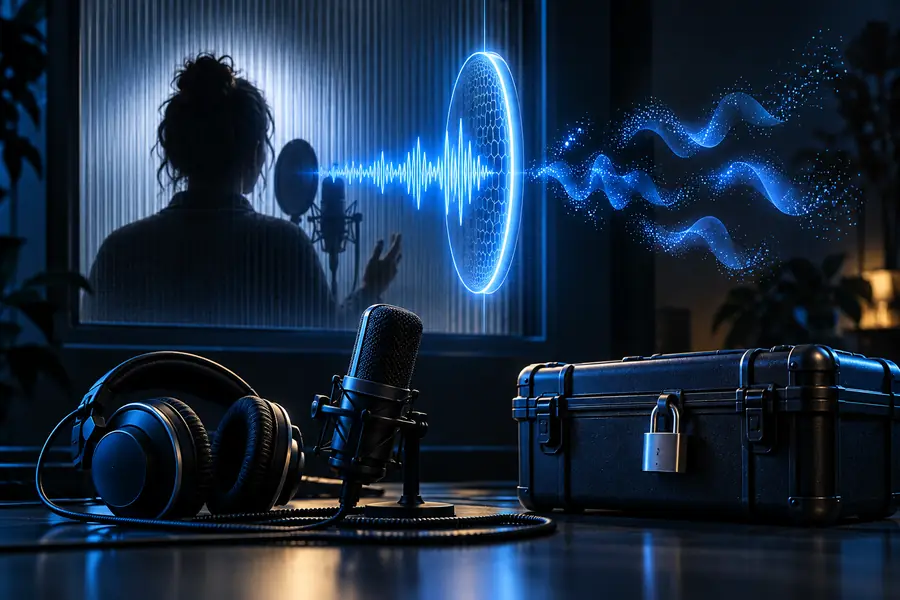
Privacy and consent

Before You Record: is voice ai safe to use?

The answer depends on whose voice you use, what you upload and how you share the result. A voice changer can be useful for creative work, but changing a recording does not remove the need for consent or careful handling of personal information.

3 misconceptions about voice safety

A voice changer changes sound; it does not settle questions about permission, privacy or the way listeners may interpret a recording.

A changed voice is automatically anonymous

A voice changer may alter pitch or texture while leaving recognizable speech patterns, background sounds, names or location clues intact. Someone who knows you may still recognize you, and a shared file may contain information beyond the sound of your voice.

Workaround

Remove identifying details from the recording and treat the output as potentially identifiable.
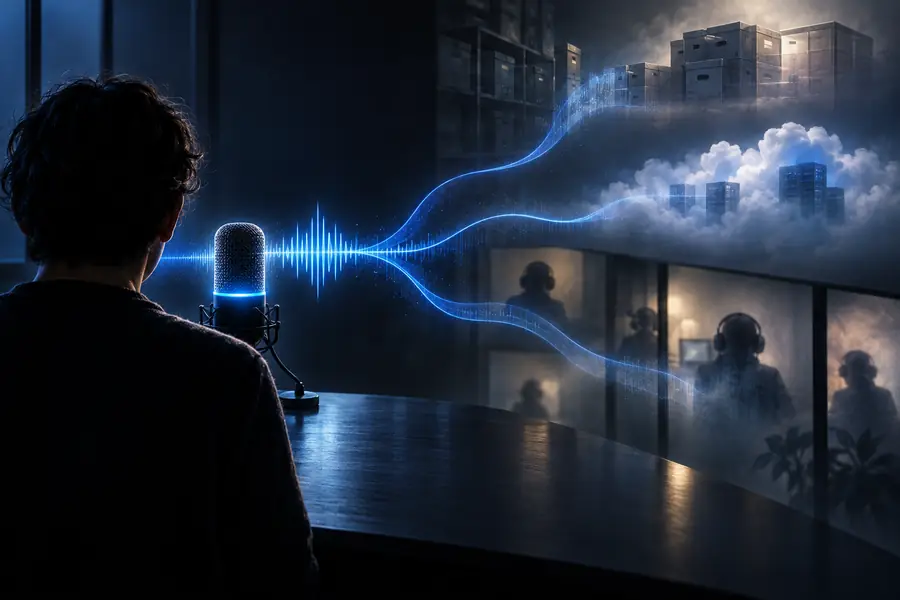
An upload is private because it is short

Even a brief clip can contain personal information. The safety of an AI voice service depends partly on its published retention, sharing and deletion practices, which this page cannot verify for every tool or upload.

Workaround

Read the service's current privacy terms before submitting a clip, especially one containing another person's voice.

A funny effect makes impersonation harmless

A comic voice changer effect can still mislead people if it is presented as something a real person said. Intent, context and audience matter more than whether the effect sounds convincing to its creator.

Workaround

Get permission when using an identifiable person's voice, and label altered audio when listeners might mistake it for an authentic recording.

What it actually is

Voice Changer is a starting point for exploring altered vocal sound, not a guarantee that a recording is private, lawful or impossible to identify. These distinctions help answer is voice ai safe to use in a specific situation.

Sound transformation
Safety decision

Purpose

Sound transformation

Changes how a voice sounds for an effect or creative piece.

Safety decision

Asks whether the recording and its intended use are appropriate.

Person speaking

Sound transformation

Works with audio supplied by the person using the tool.

Safety decision

Checks whether every identifiable speaker agreed to that use.

Personal details

Sound transformation

May change vocal characteristics without removing spoken names or background clues.

Safety decision

Reviews the whole recording for information that should not be shared.

Audience

Sound transformation

Produces altered sound that an audience can hear.

Safety decision

Considers whether the audience could mistake it for genuine speech.

Service practices

Sound transformation

Describes what happens to the sound, not how a provider stores an upload.

Safety decision

Checks the provider's current terms before sensitive audio is submitted.

Permission

Sound transformation

An available effect is not permission to use someone's identity.

Safety decision

Obtains consent and considers applicable rules before publication.

Boundary conditions

The safest choice changes with the recording. Your own fictional character voice and a clip that appears to quote a real person call for different levels of care.

Illustration representing uncertainty about how a voice recording may be used Check the source
Mask illustration representing an intentionally altered voice Check the audience
These illustrations represent decisions, not a before-and-after audio result. Before using a voice changer, identify the speaker, remove sensitive details and decide whether listeners need a clear disclosure. A mask-like effect is not proof of anonymity. If someone else supplied the recording, confirm that their permission covers this use rather than assuming that permission to record also means permission to alter and publish.

When NOT to use it

Leave sensitive recordings unchanged

Do not submit a private conversation, a child's recording or a clip containing financial, medical or identifying details merely to test a voice changer. Avoid altering someone's voice to make them appear to endorse a claim, confess to something or speak in a context they never approved. If a recipient needs an accurate record, share the original through an appropriate channel instead. For creative audio you have the right to use, consider the audience and the service's current terms before proceeding.

Explore voice effects
  • Use audio you have permission to alter.
  • Keep sensitive details out of test clips.
  • Make potentially misleading edits clear to listeners.

FAQ

Using your own non-sensitive recording avoids the consent problem posed by another person's voice, but it does not answer every privacy question. Check the service's current terms before uploading, and leave personal details out of a test clip. A voice changer effect also should not be treated as guaranteed anonymity.

A voice changer is not inherently illegal, but laws vary by location and by what you do with the altered audio. Impersonation, fraud, deceptive publication and recording someone without required consent can create legal problems. Seek qualified local advice if a particular recording or use has legal consequences.

Yes. Speech habits, words, background sounds and details in the recording can identify a speaker even when the voice sounds different. If anonymity matters, do not rely on a voice changer effect alone.

Ask for permission before uploading or altering another person's identifiable voice. Explain where the recording will go and how you intend to use the result. If you cannot establish consent or understand the service's handling of uploads, do not submit the clip.

Start creating
Start creating